

How to Find a Postpartum Therapist in Texas
Bringing home a new baby is one of life's biggest transitions. While many moms expect to feel tired or overwhelmed, they don't always expect the anxiety, sadness, guilt, or constant worry that can sometimes follow. If you're struggling, you're not alone—and you don't have to figure it out by yourself.
Finding the right postpartum therapist in Texas can make a significant difference in your recovery and help you feel like yourself again. Here's what to look for when choosing a therapist who truly understands the challenges of pregnancy and postpartum.
Bringing home a new baby is one of life's biggest transitions. While many moms expect to feel tired or overwhelmed, they don't always expect the anxiety, sadness, guilt, or constant worry that can sometimes follow. If you're struggling, you're not alone—and you don't have to figure it out by yourself.
Finding the right postpartum therapist in Texas can make a significant difference in your recovery and help you feel like yourself again. Here's what to look for when choosing a therapist who truly understands the challenges of pregnancy and postpartum.
1. Look for a Therapist Who Specializes in Perinatal Mental Health
Not every therapist has specialized training in pregnancy and postpartum mental health. While many therapists treat anxiety or depression, postpartum concerns often require additional knowledge about hormonal changes, birth experiences, breastfeeding, attachment, identity shifts, and the unique challenges of early motherhood.
Look for therapists who specifically mention working with:
A specialist is more likely to understand what you're experiencing without you having to explain every detail.
2. Choose Someone Licensed in Texas
If you're interested in virtual therapy, your therapist must be licensed in the state where you're physically located during sessions. Fortunately, many postpartum therapists in Texas offer secure telehealth appointments, making it easier to attend therapy during naps, feedings, or while caring for your baby at home.
Telehealth can be especially helpful if leaving the house feels overwhelming or childcare is difficult to arrange.
3. Ask About Their Experience
It's perfectly okay to ask questions before scheduling your first appointment.
Consider asking:
How much of your practice focuses on pregnancy and postpartum mental health?
Have you received specialized perinatal training?
What types of postpartum concerns do you most commonly treat?
What does therapy typically look like?
A therapist should welcome these questions and help you determine whether they're a good fit.
4. Find Someone You Feel Comfortable Talking To
Research consistently shows that one of the strongest predictors of successful therapy isn't a specific technique—it's the relationship between you and your therapist.
You deserve someone who helps you feel:
Heard
Understood
Supported
Never judged
If you don't feel comfortable after a few sessions, it's okay to look for someone who feels like a better fit.
5. Consider Practical Factors
Therapy is most effective when it's sustainable. Before getting started, consider:
Do they accept your insurance or offer private pay?
Do appointment times fit your schedule?
Do they offer telehealth?
How soon can you be seen?
What are their cancellation policies?
Finding a therapist you can realistically continue seeing is just as important as finding someone with the right expertise.
Remember: You Don't Have to Wait Until Things Feel "Bad Enough"
Many moms delay reaching out because they think they should be able to handle everything on their own. Others worry they aren't struggling "enough" to deserve help.
The truth is, therapy isn't only for crisis situations. Seeking support early can help prevent symptoms from becoming more severe and give you practical tools to navigate this season with greater confidence.
Whether you're experiencing constant worry, panic attacks, intrusive thoughts, sadness, irritability, or simply don't feel like yourself anymore, you deserve support.
Take the First Step Toward Feeling Better
If you're looking for a postpartum therapist in Texas, know that healing is possible. You don't have to navigate motherhood alone.
At Hartman Therapy, I specialize exclusively in pregnancy and postpartum mental health, helping moms across Texas manage anxiety, depression, birth trauma, intrusive thoughts, and the overwhelming transition into motherhood. My goal is to provide compassionate, evidence-based therapy in a space where you feel safe, understood, and supported.
If you're ready to take the next step, I'd be honored to help. Reach out today to schedule a free consultation and learn whether we're a good fit. You deserve support—and you deserve to enjoy motherhood without carrying the weight of it alone.
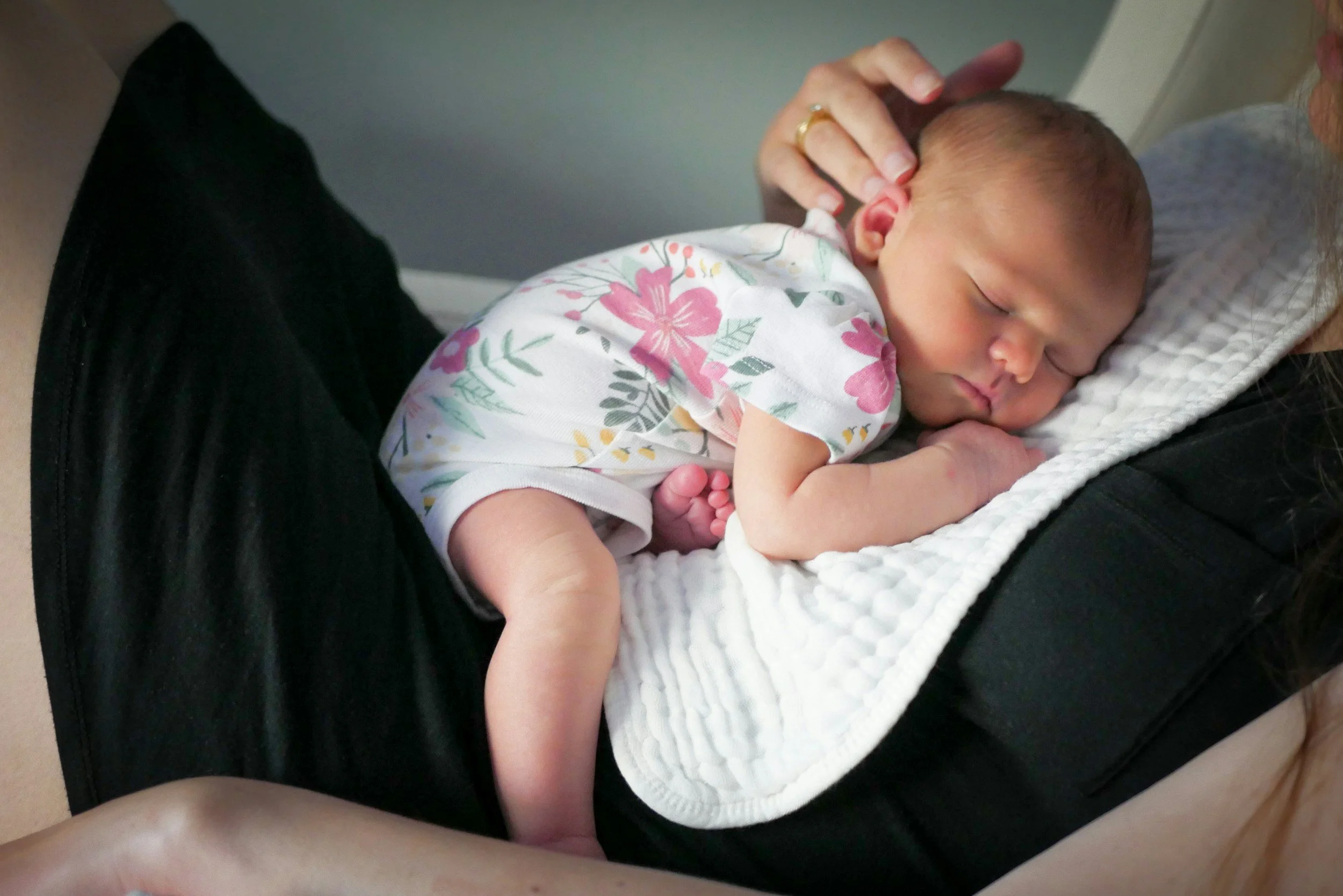
Why Am I So Worried About My Baby All the Time?
You finally brought your baby home. Everyone told you motherhood would be joyful, blissful, and full of love. While you absolutely love your baby, you may find yourself constantly worrying.
"Is she breathing?"
"What if he gets sick?"
"What if I miss something important?"
"Why can't I stop thinking about everything that could go wrong?"
If you're asking yourself, "Why am I so worried about my baby all the time?" you're not alone. Many new moms experience heightened worry after having a baby.
You finally brought your baby home. Everyone told you motherhood would be joyful, blissful, and full of love. While you absolutely love your baby, you may find yourself constantly worrying.
"Is she breathing?"
"What if he gets sick?"
"What if I miss something important?"
"Why can't I stop thinking about everything that could go wrong?"
If you're asking yourself, "Why am I so worried about my baby all the time?" you're not alone. Many new moms experience heightened worry after having a baby. In fact, some level of concern is completely normal. However, when worry becomes constant, overwhelming, or gets in the way of your ability to enjoy motherhood, it may be a sign that something more is going on.
Some Worry Is Normal After Having a Baby
Your brain undergoes significant changes during pregnancy and postpartum. These changes help you become more attuned to your baby's needs and safety.
As a new mom, it's natural to:
Check on your sleeping baby
Feel concerned when your baby cries
Research feeding, sleep, and developmental milestones
Think carefully about keeping your baby safe
These worries often reflect how much you love and care for your child.
The challenge is that sometimes your brain's protective instincts become overactive, making it difficult to relax even when your baby is safe.
Why Does Motherhood Make Me So Anxious?
Several factors can contribute to excessive worry after having a baby.
Hormonal Changes
The postpartum period involves dramatic hormonal shifts. Estrogen and progesterone levels drop rapidly after delivery, which can impact mood and anxiety levels.
Sleep Deprivation
Lack of sleep affects emotional regulation and can make worries feel more intense and harder to manage. Even moms who have never struggled with anxiety before may notice increased anxious thoughts when they're chronically exhausted.
Increased Responsibility
Suddenly being responsible for a tiny human can feel overwhelming. Many moms describe feeling like the stakes are incredibly high because they love their baby so much.
Perfectionism
Many of the moms I work with are high-achieving, responsible women who are used to doing things well. Motherhood, however, comes with uncertainty and very little control. This can be especially difficult for moms who put pressure on themselves to get everything right.
Signs Your Worry May Be More Than Typical New-Mom Concerns
While occasional worry is expected, postpartum anxiety can look different.
You may be experiencing postpartum anxiety if:
You feel anxious most days
Your mind constantly jumps to worst-case scenarios
You struggle to relax even when your baby is safe
You repeatedly seek reassurance from others
You avoid certain situations because of fear
You feel restless, on edge, or unable to "shut off" your thoughts
You have difficulty sleeping even when your baby is sleeping
Your worry interferes with daily life or enjoying time with your baby
Many moms are surprised to learn that postpartum anxiety is actually one of the most common postpartum mental health concerns.
"What If Something Happens to My Baby?"
One of the most distressing experiences for new moms is the constant stream of "what if" thoughts.
Examples include:
What if my baby stops breathing?
What if I accidentally harm my baby?
What if I don't notice a medical problem?
What if something terrible happens when we're out in public?
These thoughts can feel alarming, but having a thought does not mean you want it to happen or that it will happen.
In fact, anxious brains are often trying to prevent bad outcomes by constantly scanning for potential threats. Unfortunately, this process can create a cycle where the more you worry, the more your brain believes there is something to worry about.
How to Cope With Constant Worry About Your Baby
If you're feeling overwhelmed by worry, there are ways to help.
Limit Excessive Googling
While seeking information can feel reassuring in the moment, constant searching often increases anxiety. Consider choosing one trusted source of information and setting boundaries around online research.
Focus on What Is Happening Right Now
Anxiety pulls us into the future. Gently bring yourself back to the present moment by noticing what is actually happening rather than what could happen.
Ask yourself:
"What evidence do I have that my baby is unsafe right now?"
Prioritize Rest
Sleep deprivation amplifies anxiety. While getting perfect sleep with a newborn isn't realistic, accepting help and creating opportunities for rest can make a meaningful difference.
Talk About What You're Experiencing
Many moms keep their worries to themselves because they're afraid they'll sound irrational or overprotective. Sharing your experience with a trusted friend, partner, or therapist can reduce isolation and help you gain perspective.
When to Seek Professional Help
If your worry feels relentless, is affecting your daily functioning, or is preventing you from enjoying motherhood, it may be time to seek support.
Postpartum anxiety is highly treatable. Therapy can help you understand your anxiety, develop practical coping strategies, and regain confidence in yourself as a mother.
You do not have to spend your baby's first year feeling trapped by fear and worry.
You Are Not Alone
If you find yourself constantly asking, "Why am I so worried about my baby all the time?" know that many new moms experience the same struggle.
Needing support does not mean you're failing as a mother. In fact, reaching out for help is often one of the most caring things you can do for yourself and your family.
Motherhood was never meant to be navigated alone.
If you're struggling with postpartum anxiety, support is available. With the right help, it is possible to feel calmer, more confident, and more present with your baby.
with care,
Alison

What Is Postpartum Rage? Signs, Causes, and When to Get Support
If you’ve found yourself snapping at your partner, feeling overwhelmed by irritation, or suddenly exploding in anger after having a baby, you may be wondering: “Why am I so angry?”
You are not alone. Many new moms experience something called postpartum rage, even though it’s talked about far less often than postpartum depression or anxiety.
If you’ve found yourself snapping at your partner, feeling overwhelmed by irritation, or suddenly exploding in anger after having a baby, you may be wondering: “Why am I so angry?”
You are not alone. Many new moms experience something called postpartum rage, even though it’s talked about far less often than postpartum depression or anxiety.
Postpartum rage can feel confusing, intense, and sometimes even scary. One moment you may feel fine, and the next you feel overstimulated, touched out, resentful, or furious over something small. Many moms feel guilt afterward and wonder if something is wrong with them.
The truth is: postpartum rage is often a sign that your mind and body are overwhelmed, depleted, and in need of support.
What Is Postpartum Rage?
Postpartum rage refers to intense anger, irritability, frustration, or emotional outbursts that happen after having a baby. It is not currently a formal diagnosis on its own, but it is commonly associated with postpartum depression, postpartum anxiety, chronic stress, sleep deprivation, and hormonal changes.
For some moms, postpartum rage looks like:
Feeling constantly irritated or “on edge”
Exploding over small things
Yelling more than usual
Feeling resentful toward a partner
Becoming easily overstimulated by noise, touch, or interruptions
Having a very short fuse
Feeling intense guilt after angry reactions
Wanting to run away or escape for a moment of quiet
Some moms describe it as feeling like they are in “survival mode” all the time.
What Causes Postpartum Rage?
There is rarely one single cause. Postpartum rage is usually connected to a combination of physical, emotional, and mental overload.
Hormonal Changes
After birth, hormone levels shift rapidly. These changes can affect mood regulation, emotional sensitivity, and stress tolerance.
Sleep Deprivation
Broken sleep can significantly impact emotional regulation. When your nervous system is exhausted, patience becomes much harder to access.
Mental Load and Overstimulation
Many moms carry an invisible mental load:
Feeding schedules
Appointments
Household responsibilities
Worrying about the baby
Managing everyone else’s needs
When there is little time to rest or recharge, anger can become the nervous system’s signal that something feels unsustainable.
Postpartum Anxiety or Depression
Postpartum rage is often connected to underlying postpartum anxiety or postpartum depression. While some moms experience sadness, others experience irritability, agitation, or anger more strongly.
Lack of Support
Feeling alone, unsupported, unseen, or emotionally disconnected can intensify feelings of rage and resentment during the postpartum season.
What Postpartum Rage Can Feel Like
Many moms experiencing postpartum rage say things like:
“I don’t recognize myself.”
“I’m angry all the time.”
“I love my baby, but I feel overwhelmed constantly.”
“I feel guilty after I lose my patience.”
“Everything feels too loud, too demanding, too much.”
It’s important to know that having postpartum rage does not make you a bad mom.
Often, it means your nervous system has been carrying too much for too long.
When Is Postpartum Rage More Than Normal Stress?
Adjustment to motherhood can absolutely include moments of frustration and irritability. But it may be time to seek support if:
Anger feels frequent or intense
You feel emotionally out of control
Rage is affecting your relationships
You are constantly overwhelmed or anxious
You dread parts of the day because you feel so reactive
You feel shame after angry outbursts
You no longer feel like yourself
You do not have to wait until things feel unbearable to get help.
How to Cope With Postpartum Rage
Notice the Triggers
Pay attention to when the anger increases. Common triggers include:
Sensory overload
Lack of sleep
Feeling unsupported
Hunger or dehydration
Constant interruptions
Feeling mentally “on” all day
Awareness can help reduce shame and create space for support.
Reduce Overstimulation Where Possible
Even small moments of quiet can help regulate an overwhelmed nervous system:
Stepping outside briefly
Using noise-canceling headphones when baby is crying for long moments
Taking a shower alone
Asking someone else to hold the baby for 15 minutes
Stop Expecting Yourself to Function Like You Used To
Motherhood changes capacity. Many moms struggle because they expect themselves to operate exactly as they did before having a baby.
Postpartum healing often requires realistic expectations, more support, and more compassion toward yourself.
Talk to Someone
Postpartum rage tends to grow in isolation. Talking with a therapist who specializes in maternal mental health can help you:
Understand what is happening emotionally
Learn nervous system regulation tools
Reduce guilt and shame
Improve communication with your partner
Feel more like yourself again
Therapy for Postpartum Rage
Many moms are relieved to learn that postpartum rage is treatable and understandable. Therapy can help you move beyond constant irritability and survival mode into feeling calmer, more supported, and more emotionally connected.
You do not have to keep carrying everything alone.
If you are struggling with postpartum rage, postpartum anxiety, or feeling overwhelmed after having a baby, reaching out for support can be an important first step.
with care,
Alison