

How Long Does Postpartum Anxiety Last?
If you've recently had a baby and your mind won't stop racing, you're probably asking yourself one important question: How long does postpartum anxiety last?
Maybe you're constantly checking that your baby is breathing. Maybe you can't sleep even when your baby finally does because your brain keeps running through every possible "what if” scenario. You might feel on edge all day, having trouble relaxing, or worry that something bad is about to happen.
The good news is that postpartum anxiety is treatable.
If you've recently had a baby and your mind won't stop racing, you're probably asking yourself one important question: How long does postpartum anxiety last?
Maybe you're constantly checking that your baby is breathing. Maybe you can't sleep even when your baby finally does because your brain keeps running through every possible "what if” scenario. You might feel on edge all day, having trouble relaxing, or worry that something bad is about to happen.
The good news is that postpartum anxiety is treatable. But without support, it often lasts much longer than many moms expect.
There Isn't One Timeline
Every mother's experience is different. Some women notice anxiety beginning within the first few days after birth, while others don't experience symptoms until several weeks or even months postpartum.
For some, anxiety improves as hormones stabilize and they adjust to life with a newborn. For others, symptoms persist for months or even longer if they aren't addressed.
There isn't a specific deadline where postpartum anxiety suddenly disappears. The length often depends on factors such as:
The severity of symptoms
Previous history of anxiety
Sleep deprivation
Stress and lack of support
Whether professional intervention was received
The most important thing to know is that you don't have to simply wait for it to go away.
What Is Considered Normal?
It's completely normal to feel more protective, emotional, or worried after having a baby. Becoming responsible for a tiny human is a huge adjustment.
However, postpartum anxiety becomes more than typical new-parent worries when anxiety begins interfering with your daily life.
You may be experiencing postpartum anxiety if you:
Feel like your brain never "shuts off"
Have constant worst-case scenario thoughts
Avoid activities because of fear
Find it difficult to sleep even when exhausted
Experience racing heart, nausea, dizziness, or panic
Feel unable to enjoy time with your baby because worry takes over
If these symptoms continue for more than a couple of weeks or are making it difficult to function, it's worth reaching out for support.
Can Postpartum Anxiety Go Away on Its Own?
For some women, mild anxiety gradually improves as they recover physically, get more sleep, and become more confident caring for their baby.
Unfortunately, many mothers discover that anxiety sticks around much longer than expected.
Some women continue struggling for six months, a year, or even several years because they assume this is simply part of motherhood.
Therapy can often shorten recovery by helping you understand what's happening, challenge anxious thinking patterns, and develop practical tools to calm your nervous system.
The sooner treatment begins, the sooner many moms begin feeling relief.
When Should You Seek Help?
You don't need to wait until anxiety becomes unbearable.
Consider talking with a mental health professional if:
Your worries feel excessive or uncontrollable.
Anxiety is affecting your sleep, relationships, or daily functioning.
You're avoiding leaving the house or letting others help with the baby.
You feel constantly on edge or unable to relax.
You're spending hours seeking reassurance or checking on your baby.
Many mothers wait because they think they should be able to manage it on their own. In reality, postpartum anxiety is one of the most common complications after childbirth, and effective treatment is available.
Recovery Is Possible
One of the most encouraging things about postpartum anxiety is that it responds very well to treatment.
Many women begin noticing improvements within weeks of starting therapy, especially when treatment focuses on evidence-based approaches that address both anxious thoughts and the physical stress response. Depending on your symptoms, your healthcare provider may also recommend medication, lifestyle changes, or a combination of treatments.
You don't have to spend your baby's first year feeling consumed by worry.
Motherhood will always come with moments of concern—that's part of loving your child. But living in a constant state of fear isn't something you simply have to accept.
If you're wondering how long postpartum anxiety will last, the better question may be: How much longer do I want to keep carrying this alone?
With the right support, it is possible to feel calmer, more present, and more like yourself again.
with care,
Alison

How to Find a Postpartum Therapist in Texas
Bringing home a new baby is one of life's biggest transitions. While many moms expect to feel tired or overwhelmed, they don't always expect the anxiety, sadness, guilt, or constant worry that can sometimes follow. If you're struggling, you're not alone—and you don't have to figure it out by yourself.
Finding the right postpartum therapist in Texas can make a significant difference in your recovery and help you feel like yourself again. Here's what to look for when choosing a therapist who truly understands the challenges of pregnancy and postpartum.
Bringing home a new baby is one of life's biggest transitions. While many moms expect to feel tired or overwhelmed, they don't always expect the anxiety, sadness, guilt, or constant worry that can sometimes follow. If you're struggling, you're not alone—and you don't have to figure it out by yourself.
Finding the right postpartum therapist in Texas can make a significant difference in your recovery and help you feel like yourself again. Here's what to look for when choosing a therapist who truly understands the challenges of pregnancy and postpartum.
1. Look for a Therapist Who Specializes in Perinatal Mental Health
Not every therapist has specialized training in pregnancy and postpartum mental health. While many therapists treat anxiety or depression, postpartum concerns often require additional knowledge about hormonal changes, birth experiences, breastfeeding, attachment, identity shifts, and the unique challenges of early motherhood.
Look for therapists who specifically mention working with:
A specialist is more likely to understand what you're experiencing without you having to explain every detail.
2. Choose Someone Licensed in Texas
If you're interested in virtual therapy, your therapist must be licensed in the state where you're physically located during sessions. Fortunately, many postpartum therapists in Texas offer secure telehealth appointments, making it easier to attend therapy during naps, feedings, or while caring for your baby at home.
Telehealth can be especially helpful if leaving the house feels overwhelming or childcare is difficult to arrange.
3. Ask About Their Experience
It's perfectly okay to ask questions before scheduling your first appointment.
Consider asking:
How much of your practice focuses on pregnancy and postpartum mental health?
Have you received specialized perinatal training?
What types of postpartum concerns do you most commonly treat?
What does therapy typically look like?
A therapist should welcome these questions and help you determine whether they're a good fit.
4. Find Someone You Feel Comfortable Talking To
Research consistently shows that one of the strongest predictors of successful therapy isn't a specific technique—it's the relationship between you and your therapist.
You deserve someone who helps you feel:
Heard
Understood
Supported
Never judged
If you don't feel comfortable after a few sessions, it's okay to look for someone who feels like a better fit.
5. Consider Practical Factors
Therapy is most effective when it's sustainable. Before getting started, consider:
Do they accept your insurance or offer private pay?
Do appointment times fit your schedule?
Do they offer telehealth?
How soon can you be seen?
What are their cancellation policies?
Finding a therapist you can realistically continue seeing is just as important as finding someone with the right expertise.
Remember: You Don't Have to Wait Until Things Feel "Bad Enough"
Many moms delay reaching out because they think they should be able to handle everything on their own. Others worry they aren't struggling "enough" to deserve help.
The truth is, therapy isn't only for crisis situations. Seeking support early can help prevent symptoms from becoming more severe and give you practical tools to navigate this season with greater confidence.
Whether you're experiencing constant worry, panic attacks, intrusive thoughts, sadness, irritability, or simply don't feel like yourself anymore, you deserve support.
Take the First Step Toward Feeling Better
If you're looking for a postpartum therapist in Texas, know that healing is possible. You don't have to navigate motherhood alone.
At Hartman Therapy, I specialize exclusively in pregnancy and postpartum mental health, helping moms across Texas manage anxiety, depression, birth trauma, intrusive thoughts, and the overwhelming transition into motherhood. My goal is to provide compassionate, evidence-based therapy in a space where you feel safe, understood, and supported.
If you're ready to take the next step, I'd be honored to help. Reach out today to schedule a free consultation and learn whether we're a good fit. You deserve support—and you deserve to enjoy motherhood without carrying the weight of it alone.
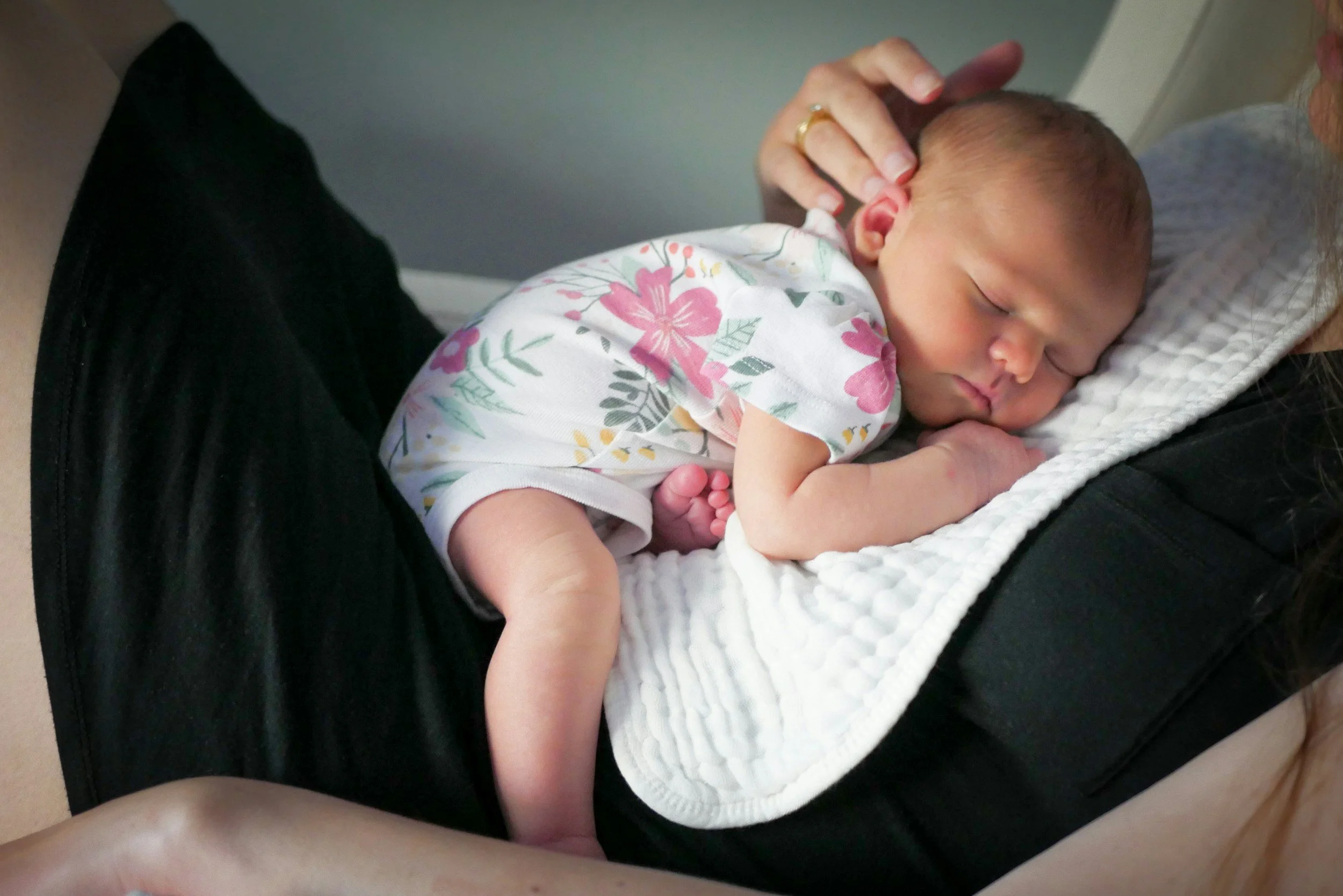
Why Am I So Worried About My Baby All the Time?
You finally brought your baby home. Everyone told you motherhood would be joyful, blissful, and full of love. While you absolutely love your baby, you may find yourself constantly worrying.
"Is she breathing?"
"What if he gets sick?"
"What if I miss something important?"
"Why can't I stop thinking about everything that could go wrong?"
If you're asking yourself, "Why am I so worried about my baby all the time?" you're not alone. Many new moms experience heightened worry after having a baby.
You finally brought your baby home. Everyone told you motherhood would be joyful, blissful, and full of love. While you absolutely love your baby, you may find yourself constantly worrying.
"Is she breathing?"
"What if he gets sick?"
"What if I miss something important?"
"Why can't I stop thinking about everything that could go wrong?"
If you're asking yourself, "Why am I so worried about my baby all the time?" you're not alone. Many new moms experience heightened worry after having a baby. In fact, some level of concern is completely normal. However, when worry becomes constant, overwhelming, or gets in the way of your ability to enjoy motherhood, it may be a sign that something more is going on.
Some Worry Is Normal After Having a Baby
Your brain undergoes significant changes during pregnancy and postpartum. These changes help you become more attuned to your baby's needs and safety.
As a new mom, it's natural to:
Check on your sleeping baby
Feel concerned when your baby cries
Research feeding, sleep, and developmental milestones
Think carefully about keeping your baby safe
These worries often reflect how much you love and care for your child.
The challenge is that sometimes your brain's protective instincts become overactive, making it difficult to relax even when your baby is safe.
Why Does Motherhood Make Me So Anxious?
Several factors can contribute to excessive worry after having a baby.
Hormonal Changes
The postpartum period involves dramatic hormonal shifts. Estrogen and progesterone levels drop rapidly after delivery, which can impact mood and anxiety levels.
Sleep Deprivation
Lack of sleep affects emotional regulation and can make worries feel more intense and harder to manage. Even moms who have never struggled with anxiety before may notice increased anxious thoughts when they're chronically exhausted.
Increased Responsibility
Suddenly being responsible for a tiny human can feel overwhelming. Many moms describe feeling like the stakes are incredibly high because they love their baby so much.
Perfectionism
Many of the moms I work with are high-achieving, responsible women who are used to doing things well. Motherhood, however, comes with uncertainty and very little control. This can be especially difficult for moms who put pressure on themselves to get everything right.
Signs Your Worry May Be More Than Typical New-Mom Concerns
While occasional worry is expected, postpartum anxiety can look different.
You may be experiencing postpartum anxiety if:
You feel anxious most days
Your mind constantly jumps to worst-case scenarios
You struggle to relax even when your baby is safe
You repeatedly seek reassurance from others
You avoid certain situations because of fear
You feel restless, on edge, or unable to "shut off" your thoughts
You have difficulty sleeping even when your baby is sleeping
Your worry interferes with daily life or enjoying time with your baby
Many moms are surprised to learn that postpartum anxiety is actually one of the most common postpartum mental health concerns.
"What If Something Happens to My Baby?"
One of the most distressing experiences for new moms is the constant stream of "what if" thoughts.
Examples include:
What if my baby stops breathing?
What if I accidentally harm my baby?
What if I don't notice a medical problem?
What if something terrible happens when we're out in public?
These thoughts can feel alarming, but having a thought does not mean you want it to happen or that it will happen.
In fact, anxious brains are often trying to prevent bad outcomes by constantly scanning for potential threats. Unfortunately, this process can create a cycle where the more you worry, the more your brain believes there is something to worry about.
How to Cope With Constant Worry About Your Baby
If you're feeling overwhelmed by worry, there are ways to help.
Limit Excessive Googling
While seeking information can feel reassuring in the moment, constant searching often increases anxiety. Consider choosing one trusted source of information and setting boundaries around online research.
Focus on What Is Happening Right Now
Anxiety pulls us into the future. Gently bring yourself back to the present moment by noticing what is actually happening rather than what could happen.
Ask yourself:
"What evidence do I have that my baby is unsafe right now?"
Prioritize Rest
Sleep deprivation amplifies anxiety. While getting perfect sleep with a newborn isn't realistic, accepting help and creating opportunities for rest can make a meaningful difference.
Talk About What You're Experiencing
Many moms keep their worries to themselves because they're afraid they'll sound irrational or overprotective. Sharing your experience with a trusted friend, partner, or therapist can reduce isolation and help you gain perspective.
When to Seek Professional Help
If your worry feels relentless, is affecting your daily functioning, or is preventing you from enjoying motherhood, it may be time to seek support.
Postpartum anxiety is highly treatable. Therapy can help you understand your anxiety, develop practical coping strategies, and regain confidence in yourself as a mother.
You do not have to spend your baby's first year feeling trapped by fear and worry.
You Are Not Alone
If you find yourself constantly asking, "Why am I so worried about my baby all the time?" know that many new moms experience the same struggle.
Needing support does not mean you're failing as a mother. In fact, reaching out for help is often one of the most caring things you can do for yourself and your family.
Motherhood was never meant to be navigated alone.
If you're struggling with postpartum anxiety, support is available. With the right help, it is possible to feel calmer, more confident, and more present with your baby.
with care,
Alison